

I’ve been a full-time tour guide in Washington DC for nearly 15 years. Along with my colleagues at DC by Foot, I spend my days in the museums, walking the National Mall, and exploring the neighborhoods that most visitors never reach. This is not a list compiled from other lists — it’s what I actually tell people when they ask me how to make the most of their trip.
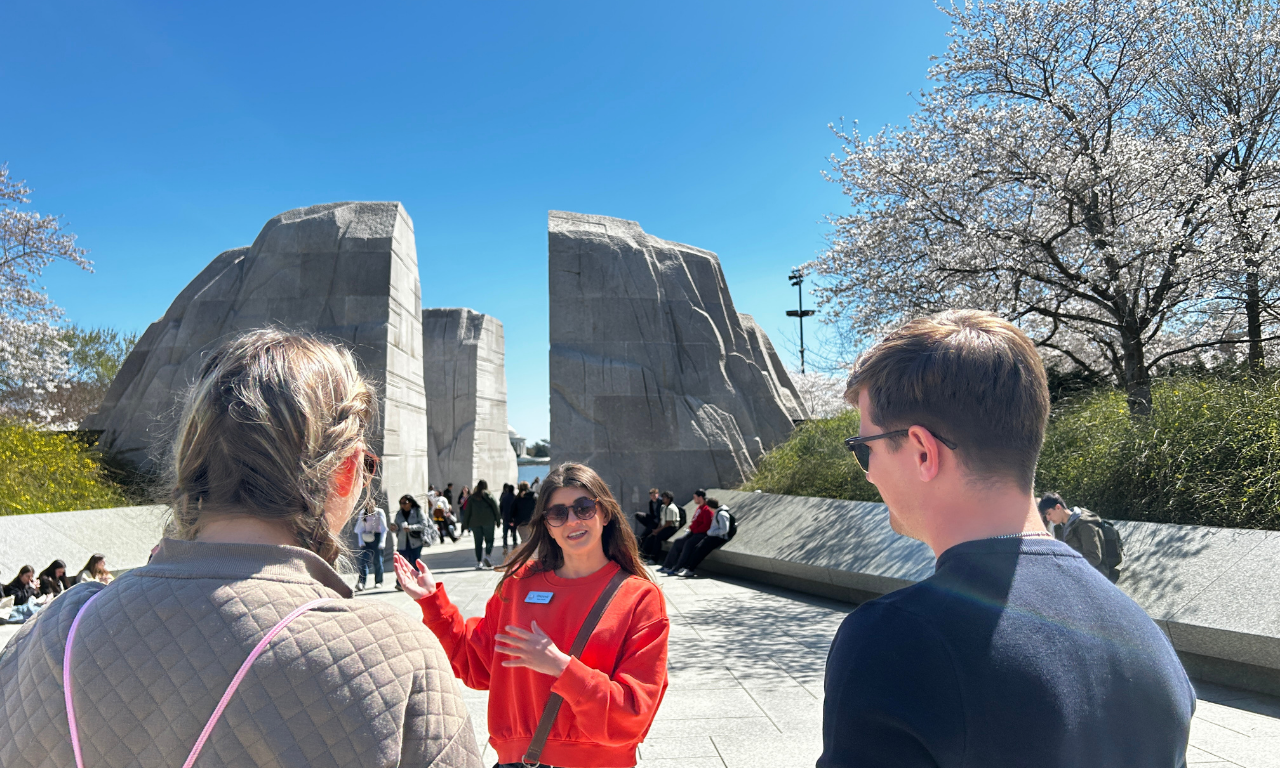
My quick Top 10 things To Do in DC:
- Take a Walking Tour with DC by Foot
- Explore a Smithsonian Museum (remember there are 20 of them!)
- Visit the National Mall & Tidal Basin to see the memorials
- Learn on Capitol Hill (Capitol, Supreme Court, Library of Congress)
- Watch the Changing of the Guards at Arlington Cemetery
- Visit the White House area and The People’s House
- Walk down Embassy Row
- Wander a neighborhood like Georgetown, Old Town Alexandria, Anacostia, or SW DC.
- Go to Ford’s Theatre to learn about President Lincoln’s Assassination
- Head the National Archives to see the Declaration of Independence, Bill of Rights, US Constitution & more.@
Keep reading for all my tips and tricks on things to do in Washington, DC.
Our Washington, DC Travel Tips Facebook group has over 120,000 members who rely on our advice to plan their trip to DC.

What to know when planning a trip to DC
If you’re looking up things to do in DC, you’re probably planning a trip to DC – or maybe you’re here now? Hi! 👋
A few things must be planned far in advance when coming to DC.
- White House Tours: These must be requested in advance through your congressperson. You won’t be able to get tickets to the White House at the last minute. There are no walk-up options! A great alternative is the White House Visitor Center, which does not require tickets and is free to visit, or The People’s House – another free to visit but does require timed tickets.
- Some attractions require tickets to visit, and reserving them in advance is the best way to guarantee a visit; however, you can try for walk-up tickets (or book a tour with us since we provide tickets!) to the
- US Capitol
- Library of Congress (don’t stress about this one, they almost always have availability last minute!)
- Washington Monument
- Holocaust Museum
- National Zoo
- National Museum of African American History & Culture
- Air and Space (National Mall location only)
- Ford’s Theatre
- Other federal tours that require advanced planning and do not have walk up options are the FBI Experience and Pentagon Tours.
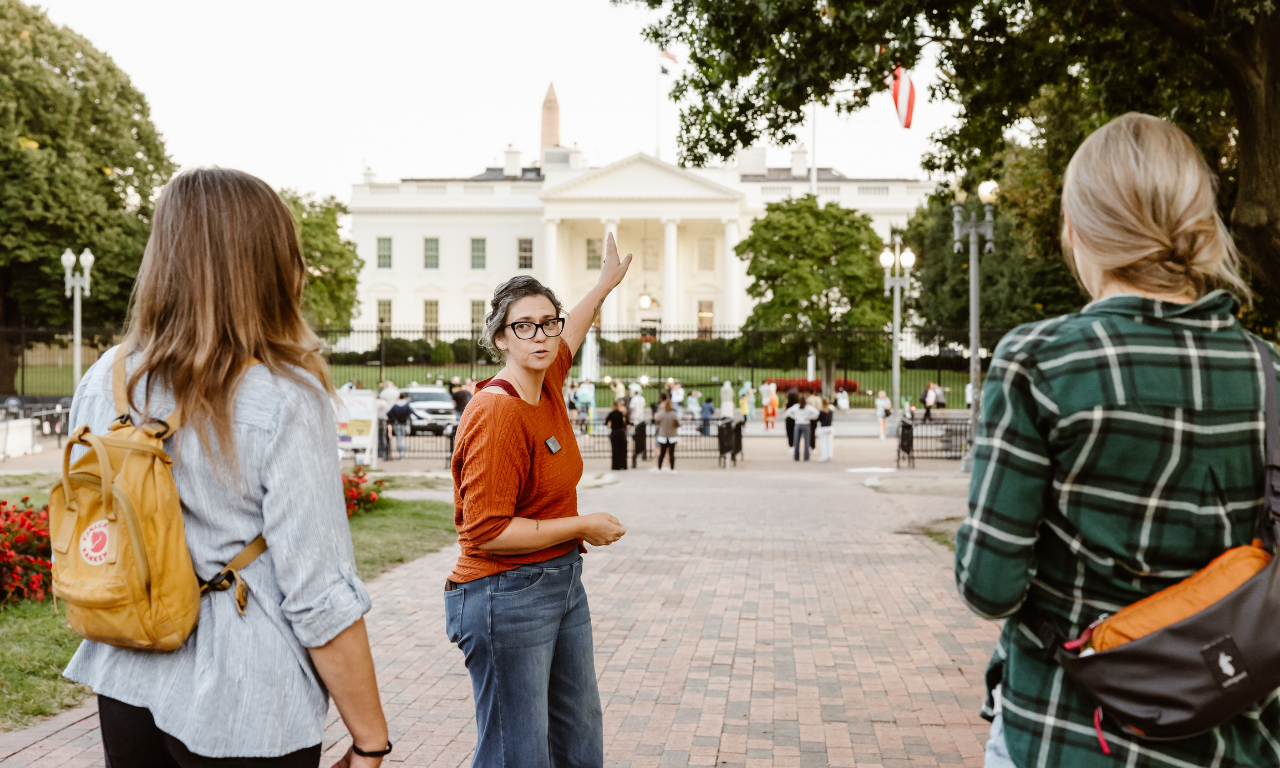
What you should do in Washington DC
What is the number one attraction in Washington DC? Well, that depends on who you ask! We’re a little biased and think taking one (or more) of our walking tours is the way to go.
My personal favorite tour to give is our Lincoln Assassination Walking Tour or Historic Georgetown Walking Tour. But if this is your first time visiting DC; then our Capitol Hill & Library of Congress tour is a must!

Things you can ONLY do in Washington DC
The list of things to do in DC is massive so I’ve narrowed it down to the things you can only do here to help you get the most out of your trip.
1. See the Cherry Blossoms
Each spring, Washington, DC transforms into a sea of delicate pink and white blossoms as thousands of cherry trees around the Tidal Basin burst into bloom. The city’s National Cherry Blossom Festival is one of the most celebrated seasonal events in the United States. The festival in 2026 runs from March 20 to April 12. This annual festival commemorates the 1912 gift of cherry trees from Japan, symbolizing friendship and the arrival of spring.
🌸 When to Go
While the exact dates of peak bloom can’t be predicted until shortly before spring, historical patterns and forecasts suggest the peak blossom window typically falls between late March and early April.
Peak Bloom Prediction is usually announced on March 01 and even then it can change based on March weather.
- Peak bloom is defined as the time when about 70% of the Yoshino cherry blossoms are open, creating that iconic “cloud of blossoms” look. Visiting before or after peak blooms is still beautiful; especially if you travel with us at DC by Foot. We know where to find the early blooming trees and late blooming trees!
- The blooming period usually lasts several days to about two weeks, weather-dependent.
- Follow live updates like the Festival’s Bloom Watch (#BloomCam) or our instagram @dcbyfoottours for real-time tree progress as your visit nears.
👣 Explore with a Guide: DC By Foot’s Cherry Blossom Tours
One of the best ways to experience the blossoms and the history around them is by walking with an expert guide. DC By Foot is a local team of professional guides renowned for narrative-rich, historically grounded tours of the city’s key sites.
Our Cherry Blossom walking tours:
- Walk around the Tidal Basin under the flowering trees.
- Visit iconic memorials like the Thomas Jefferson Memorial, FDR Memorial, and Martin Luther King, Jr. Memorial all stunningly framed by blossoms.
- Offer storytelling and context you won’t get wandering on your own; from local history to cherry tree lore.

📍 Tips for a Great Cherry Blossom Visit
Whether you join a tour or explore independently, here’s how to make the most of your 2026 adventure:
📅 Timing Is Everything
- Aim for late March to early April for the best chance of peak bloom.
- Arrive on weekday morning or afternoon to avoid crowds around the Tidal Basin. Sunrise and sunset are popular times because they are so beautiful but they can be so crowded as well!
📸 Best Views & Experiences
- The loop around the Tidal Basin offers postcard views of blossoms with memorials and water reflections — perfect for photography.
- Consider a walking tour with DC By Foot to blend scenic beauty with historical insight.
👟 Practical Advice
- Wear comfortable shoes — you’ll be walking a while if you complete the full Tidal Basin loop. It’s easily doable, even with kids. We take two hours to walk the loop but we also stop for photos and talks.
- Respect the trees: avoid picking flowers or climbing branches. (Rules around National Mall foliage are strict to protect the blossoms.)
Washington, DC’s cherry blossoms are more than just a natural spectacle. They’re a cultural event rooted in 100+ years of history. From walking under the floral canopy to joining an expert-led tour like those from DC By Foot, your 2026 visit can be both unforgettable and enriching.
Plan ahead, embrace a bit of flexibility (after all, nature decides the bloom), and let the blossoms and stories of the capital inspire your spring journey. 🌸

2. See Unique DC Museums
This time of year in DC can be cold and snowy or rainy or crowded; but more often than not you’ll want to spend at least some times indoors.

Many tourists will head to one of the Smithsonian Museums on dreary days, so avoid them and head to one of the lesser visited museums:
- Mansion on O
- Phillips Collection (Contemporary Art)
- National Museum of Women in the Arts
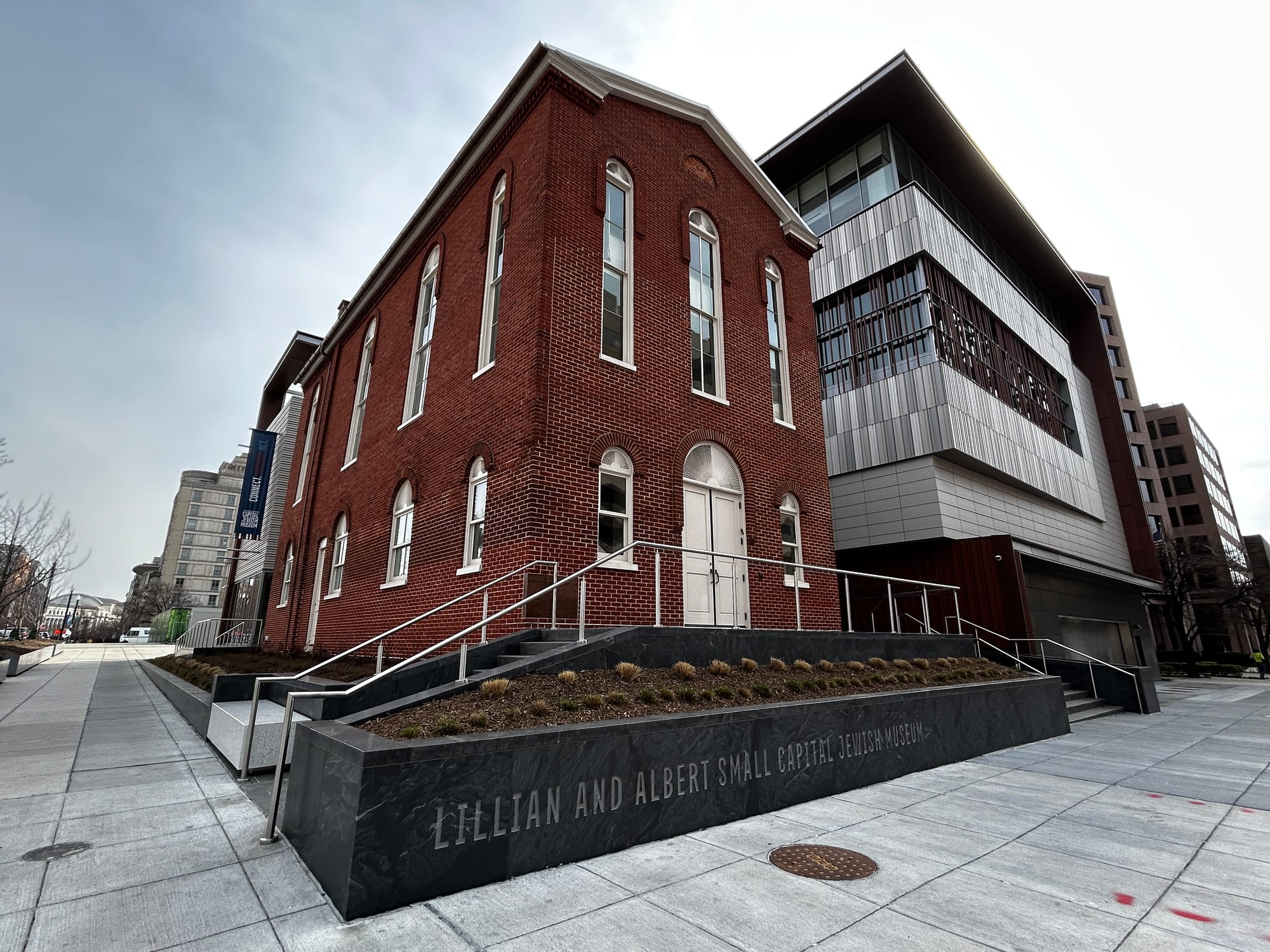
- Capital Jewish Museum
- National Building Museum
- Renwick Gallery
- GoGo Museum
While the Smithsonian Museums may be the most popular, there are dozens of museums in DC from the National Gallery of Art (where you can find the only Leonardo da Vinci in the Americas) to the International Spy Museum where you can assume a false identity as you visit.
There is a museum for every interest from medical oddities at the National Museum of Health and Medicine to Russian tsarist memorabilia at Hillwood Garden and Estates.
3. The Smithsonian Museums
I think the best way to visit a Smithsonian Museum is with us on a guided tour. DC by Foot offers guided museum tours of select museums.Guides know the best way to avoid the crowds, get through security, and the stories behind the exhibits.
The Smithsonian is actually an institution of many museums, research centers and the National Zoo.
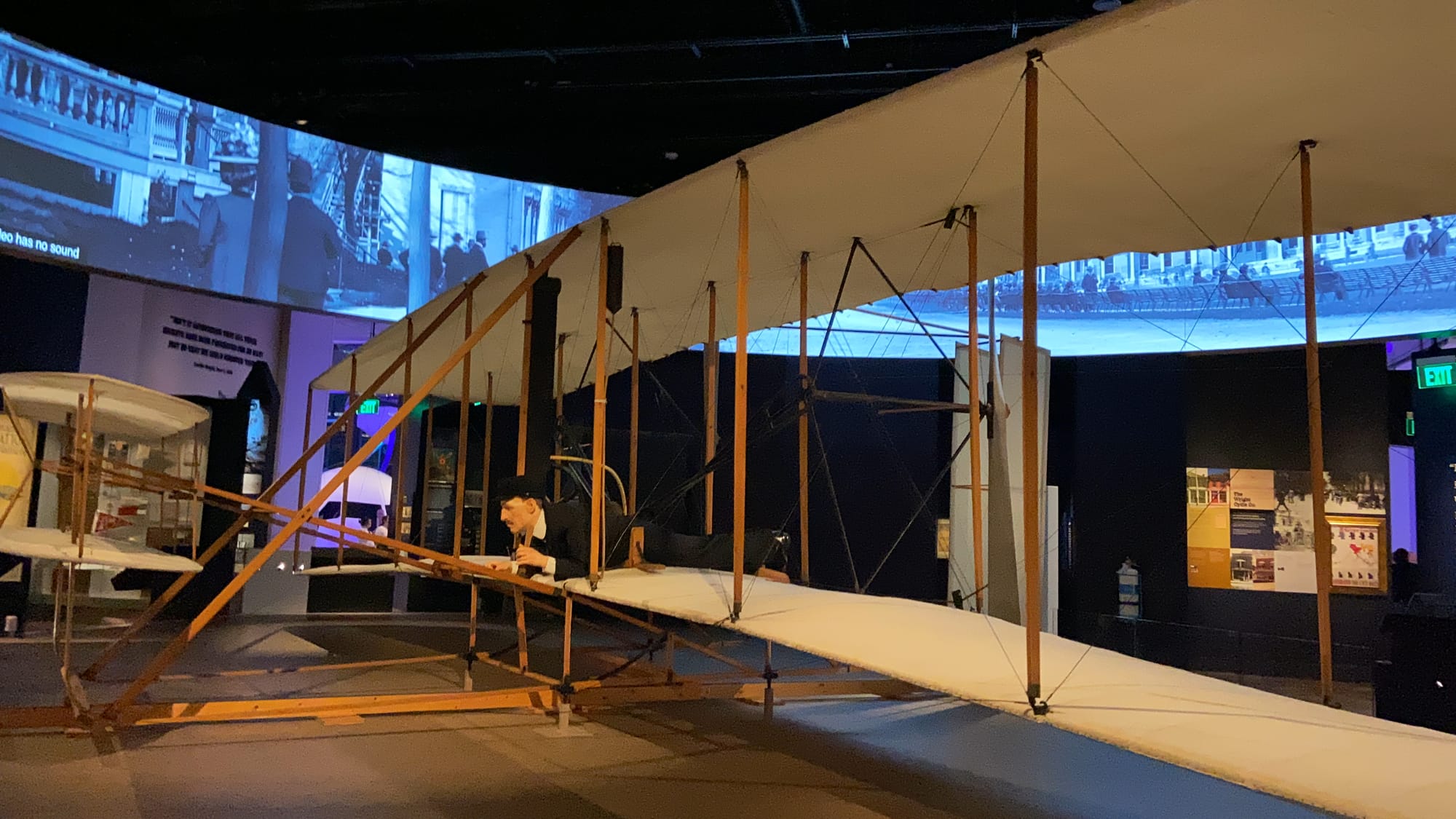
Here are all the Smithsonians ranked by popularity, using the Smithsonian’s records of visits last year.
- Air and Space (National Mall)
- Natural History Museum
- American History Museum
- National Zoo
- National Museum of African American History & Culture
- Air and Space (Udvar-Hazy)
- American Art Museum
- National Portrait Gallery
- Hirschhorn Museum
- American Indian Museum
- Freer Gallery of Art
- Renwick Gallery
- Asian Art Museum
- National Postal Museum
- African Art Museum
- “The Castle”
- Anacostia Community Museum
There isn’t just one Smithsonian. There are nearly 20 Smithsonian Museums, including the Smithsonian Castle, art galleries, and a zoo.
Is the National Zoo worth it?
Now, we are Zoo members because I live here with two elementary age kids so it is definitely worth it for us. I love our Zoo and I think they do an amazing job, but while I include this in our top things to do – a lot of that has to do with the Pandas. We aren’t the only Panda exhibit in the US but it is a relatively rare experience amongst zoos.
If you have a zoo near your home, you don’t care about Pandas and you aren’t a zoo fan, I think its okay to skip this in favor of one of the other attractions in DC.
All of the locations in the Washington D.C. area are free to visit.
Some, however, do require timed tickets due to high demand.
The National Zoo, the Air and Space Museum’s National Mall location, and the National Museum of African American History and Culture require free-timed tickets.
The most popular Smithsonian Museum depends on who you ask. There seems to be no definitive answer.
A few short answers on the best Smithsonian Museum for specific groups.
BEST SMITHSONIAN MUSEUMS IF YOU ONLY HAVE ONE DAY
Honestly, I can’t answer this for YOU, but I can give you a few words of advice.
You may choose to skip the Zoo or Natural History Museum if you have similar museums near your hometown.
- Our Zoo is awesome, but it is not significantly better than other zoos if you have one near you.
- There are also other great Natural History Museum around the country/world (think NYC, London, I’m partial to the one in North Carolina!)
- The American Indian Museum is a personal favorite, but it also has a location in NYC.
If you aren’t interested in Air or Space, you can skip the location on the National Mall.
Though if you have a way to get there and time in your schedule, the Udvar-Hazy location of Air and Space is fascinating even for those of us who don’t care so much about that topic.
There are few places in the world that can compete with American History or the NMAAHC.
If you only have one day, aren’t interested in Air and Space, have a Zoo and a Natural History Museum near you – go visit American History & NMAAHC!

BEST SMITHSONIAN MUSEUMS FOR KIDS
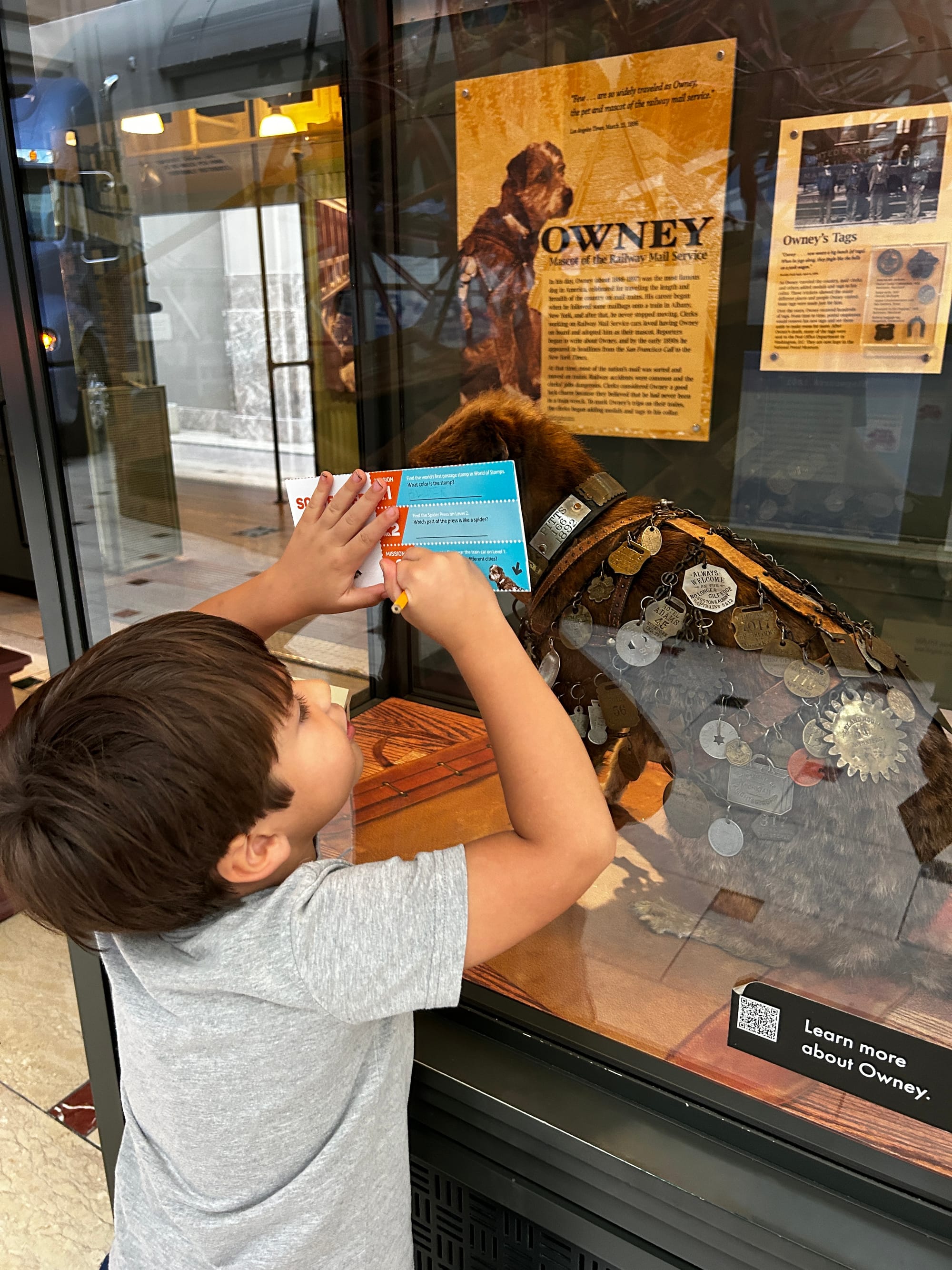
According to my 7-year-old, these are the best Smithsonian for kids. They all have kids’ sections, scavenger hunts, and more.
- National Postal Museum – a secret hit; it is never crowded and is by far both my kids’ favorite museum in DC.
- Natural History Museum – dinos, mummies, crystals. Need I say more?
- For youngest visitors, the American History and American Indian Museum have great interactive rooms geared towards PreK.
4. Eat Your Way through DC like a local
I won’t tell you not to go to the touristy sites like the top of the Washington Monument if it’s your first time in DC. Still, I hope you’ll see the real DC, too – the neighborhoods away from the Smithsonians where we spend sunny Sunday brunches and cool Thursday jazzy evenings.
A great way to join the locals is to try out some of DC’s fantastic food. Whether you’re looking for a local dive bar (Tune Inn near Eastern Market is my favorite) or a Michelin-starred dining experience.
Did you know that the DC Metro area has the largest Ethiopian population outside of Ethiopia? Check out some of the flavors of Little Ethiopia on 7th Street NW. We love Dukem on U Street NW.
Or explore Eastern Market (an actual food market but also a neighborhood) on our Eastern Market Food Tour.
Here are our top suggestions:
Family Friendly Places to Eat in DC:
- Ted’s Bulletin
- Matchbox
- Pizzeria Paradiso
- Clyde’s
- Filomena
Date Night Dinners in DC:
- Le Diplomate
- Rose’s Luxury
- Rasika
- Oyamel Cocina
- Maydan
- Rooster & Owl
- Cafe Berlin
- Mercy Me
- 1789
- Barcelona Wine Bar
Places to Eat Near the National Mall:
- Elephant & Castle
- Teasim
- The Hamilton
- Pavilion Café (in the National Gallery of Art Sculpture Garden)
- Food Trucks (on 14th Street, near museums)
- L’Enfant Plaza Food Court
- Museum Cafés (various Smithsonian museum cafés)
- The Wharf
- China Chilcano
- Western Market Food Hall
Essential DC Places to Eat:
- Ben’s Chili Bowl
- Martin’s Tavern
- Busboys & Poets
- Old Ebbitt Grill
- Tune Inn
- Dukem
5. Explore the National Mall & Tidal Basin
This is the highlight of most trips to DC. You shouldn’t (and almost can’t) visit DC without seeing the National Mall.
I think the best way to visit the National Mall is to join me or a colleague at DC by Foot on our National Mall tour. It runs daily at 10am and includes tickets to the top of the Washington Monument!
The National Mall is a large public expanse – so don’t picture a shopping mall.
One-half of the mall has memorials, and the other half has museums. Throughout the year, you’ll also find events, unique installations, concerts, festivals, and movies on the Mall.

There are literally hundreds of memorials in DC area, but most of the larger and more famous ones are in this area:
- Washington Monument
- WWII Memorial
- Korean War Veterans Memorial
- Vietnam Veterans Memorial
- Lincoln Memorial
And not far but not technically on the National Mall are the Tidal Basin Memorials
- MLK Memorial
- FDR Memorial
- Jefferson Memorial
All the memorials are free to visit and open 24/7 but if you want to go to the top of the Washington Monument you do require timed tickets that must be arranged in advance (or join our National Mall tour because we did the ticketing legwork for you!)
It is perfectly safe to visit the memorials at any time of day or night but too late in the evening and you’ll find gift shops and bathrooms are closed and no park rangers. I have been to the memorials at all times of night and have never been the only people there – there is always at least one other tourist hoping for moonlight photos!
We also offer a Memorials and Moonlight walking tour. This tour is name your own price so you can pay the guide what you thought it was worth at the end.
Parking on the National Mall is a complicated endeavor, just like the rest of the city. There is no parking lot on the National Mall. Surrounding the Mall you will only find street parking which is limited to 3 hours and has rush hour restrictions. While there is a parking lot by the Jefferson Memorial it is pretty far removed from the rest of the memorials.
We highly recommend public transportation. The Smithsonian Metro Station is closer to the Smithsonian Museums side of the National Mall but the memorials are walkable from either exit. The Foggy Bottom GWU Metro Station is about 10 minute walk from Lincoln Memorial so another great option.
6. See DC from Above
The most popular way to get a bird’s eye view of DC is to head to the top of the Washington Monument.
This requires timed tickets and it can be really difficult to get those. We do the legwork for you if you join our National Mall & Skip The Line Washington Monument tour!
If you don’t want to join a tour, here are few hints on getting tickets to the Washington Monument.
- Create a Recreation.gov account in advance – you’ll need this to get tickets.
- Tickets are released 30 days in advance at 10 AM and can be snatched up by 10:02 AM. Try again at 10:15AM as sometimes they are released from other carts.
- You can also try for online tickets the day before at 3PM. Or try for same day walk up tickets but waiting in line at the Washington Monument Lodge but we recommend getting them by 730AM (or earlier on busy days!)
In my personal opinion, a trip to the top of the Washington Monument is not as exciting as expected – you do this to say you’ve done it, not because you’re going to get a great view out of it. DC skyline is not much to talk about – except the monument which you can’t see if you’re inside of it.
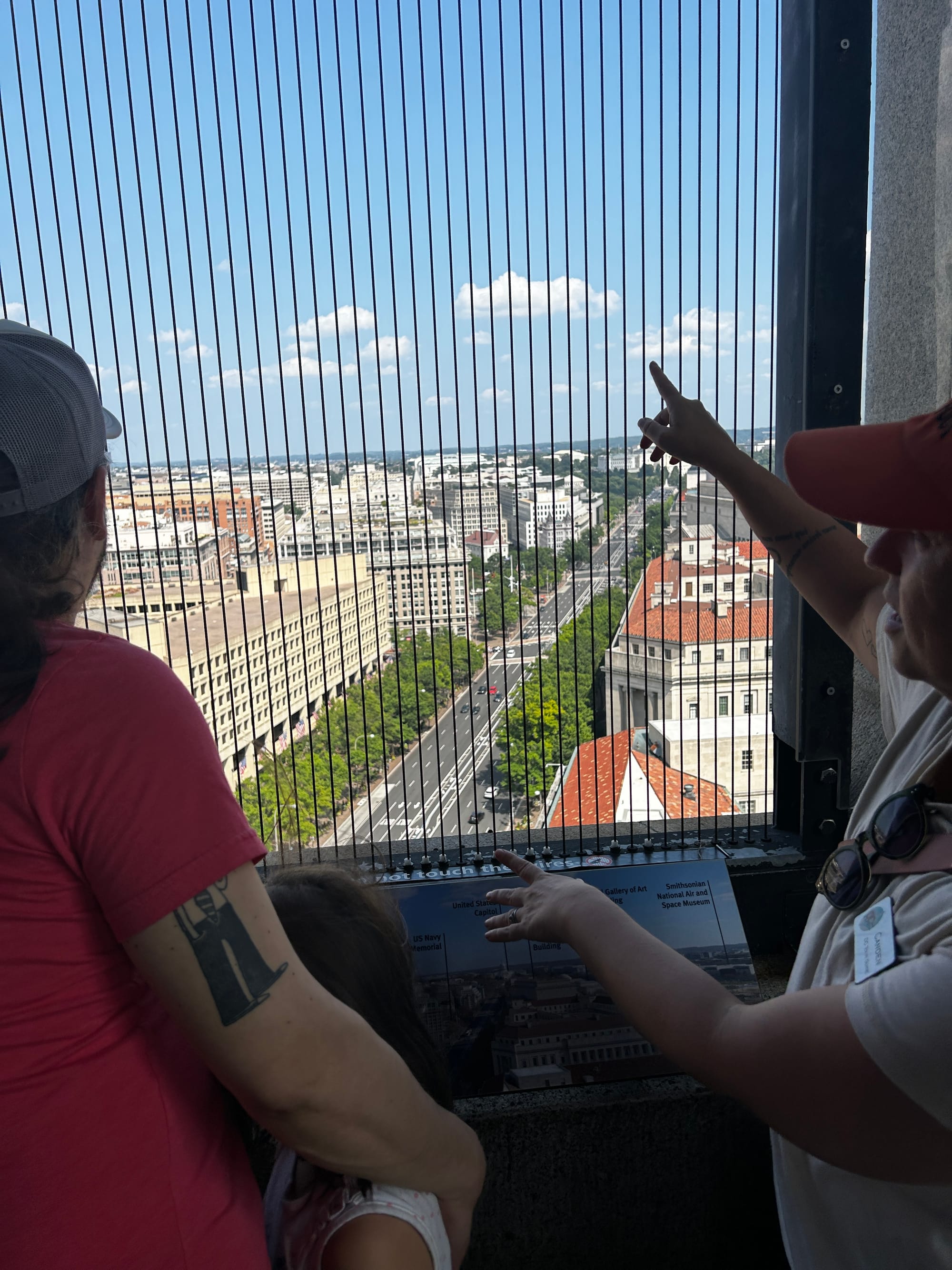
The Old Post Office pavilion is another great tower you can head to the top of – and this one is free and doesn’t require tickets. However, as of March 2026 it remains closed to the public. To say we are bummed is an understatement!
7. Learn about the government on Capitol Hill
The three main buildings on Capitol Hill cannot be experienced anywhere else:
- US Capitol
- Library of Congress
- Supreme Court
We offer guided walking tours of Capitol Hill that include tickets to take a docent-led tour of the Capitol and entrance into the Library of Congress.
If we don’t have a tour that fits into your schedule, tickets are available to the public! The Supreme Court does not require timed tickets to visit the museum but if you want to see the courtroom you have to either attend a docent lecture or hope to get spots from the lottery to watch a court case.
The Library of Congress requires timed tickets to enter the building for a self guided visit. The US Capitol does not require tickets to enter the Capitol Visitor Center and Education Center (though you will get through a faster security line if you have a timed ticket) but if you want to take a docent led tour inside the Capitol itself, you will need a timed ticket. Both the LoC and the US Capitol allow walk ups if you don’t get tickets in advance and both ticket options are free.
A unique thing I suggest doing that will give you a souvenir you can only get here is to get your Library of Congress card. You do not need to be a DC resident or American citizen to get a library card from the Library of Congress!
8. Walk down Embassy Row
You can only find Embassies in Washington, DC – the official representation of a foreign country. If its in another city than the nation’s capital, that is a consulate.
There are over 200 embassies spread around the city, but many are concentrated on one section of the city, what we call Embassy Row, the section of Massachusetts Ave NW north of Dupont Circle.
Join our guided or self guided audio walking tour to learn about the people, places (and international intrigue) on our Embassy Row tour.
If you’re visiting DC on Halloween, many embassies are open for trick or treating. If in May, you can attend one of the many open houses all month long as part of Passport DC.
Helpful hint – you can always knock on the door and see if you can get a quick tour of the building! Sometimes it works.
9. Witness the Changing of the Guard at Arlington National Cemetery
Arlington National Cemetery is one of the most honored military cemeteries in the US.
It is the final resting place of over 400,000 and where we honor our unknown soldiers at the Tomb of the Unknown Soldier.
Dozens of times each day, you can witness the Changing of the Guard ceremony where the sentinels at the Tomb of the Unknown Soldier go through a precisioned routine of the changing. This happens every hour on the hour year round and during summer hours also on the half hour.
I suggest making sure you go to the changing on the top of the hour as there are often a special wreath-laying right after which include the playing of Taps. It is really moving.
If you join our Arlington Cemetery tour, we’ve timed it perfectly to get you there in the best spot despite what might be going on that day.
Word to the wise, though, if you’re not attending this event with one of our guides on a guided tour, get their early and hunt for the best spot. It gets crowded. The inspection (which is my kids favorite part) takes place on the right hand side (if you’re on the steps looking at the plaza.)

While you’re visiting Arlington Cemetery, be sure to pay respects at the Kennedy Memorials, visit the Arlington House, and learn about the different symbols on the graves.
10. See the Charters of Freedom the National Archives
The original Declaration of Independence, Constitution, and Bill of Rights are all on display at the National Archives. There is even a copy of the Magna Carta.
Reservations are not necessary but are recommended. You will be able to get through both entering the building and getting into the rotunda to see those documents faster.
If the only thing you want to see are these original Charters of Freedom and you have timed tickets, this is a pretty quick visit but you can also spend hours i this museum visiting the various exhibits.
There is a new Discovery Center if you have elementary age kids which includes video game style challengers to learn about civics and history.
11. Go inside the White House or visit The People’s House
The home of the U.S. President is officially open to all but tickets are free but extremely limited. You can arrange a visit through a congressperson – it is always better to use your own, but it is not required. International guests are directed to their embassies but you can also always ask any congressperson.
Keep in mind, you will give them your dates of travel but they may not tell you what day and time your visit is scheduled or even if you get a ticket until shortly before your trip. This makes planning particularly hard.
If you don’t want to go inside, you can always take a photo from outside.
Best Views of the White House: There is no official front of the White House. The North Lawn allows you to get closer to the White House but it is often closed for security reasons. You can take great photos from the South Lawn (the side from the National Mall) but you cannot get as close.
One of the newest museums in DC is The People’s House; which gives you the history and photo ops of going inside the White House without the ticket hassle and security.

12. Go to Ford’s Theatre
I am a theatre lover so I think the best way to visit Ford’s Theatre is by attending a production. Tickets to a show at Ford’s Theatre give you access to the museum prior to the show and the productions are in the historic theatre.
My favorite tour to give is our Lincoln Assassination tour which follows in the foot steps of Booth and Lincoln and gives you all the back story.
There are a few ways you can visit Ford’s Theatre if you’re not going to attend a play. When you get tickets (which are required!) to visit Ford’s, there are a few different options depending on the time.

- Museum vs No Museum: Some time slots do NOT include a visit to the museum. Skip those in my opinion. The museum is great! It is small but you can see many historic artifacts like John Wilkes Booth’s original single shot derringer.
- Ranger Talk vs Theatre Walkthrough: The Ranger Talks can be hit or miss depending on who is giving the presentation and if you’ve taken our Lincoln Assassination tour, you’ll already know this information! The Theatre walk through is self guided and gives you more options for photos. There is usually a ranger present to answer questions, too.
- Peterson’s Boarding House & Aftermath Exhibits: Almost all tickets will include this. These two sites are across the street. Peterson’s Boarding House is the House where Lincoln Died and has been recreated to look the same as that fateful day. The Aftermath Exhibits talk about what happened after his assassination.
13. Wander a DC Neighborhood
My personal favorite is Georgetown, the oldest neighborhood in Washington DC – it is older than the city itself.
This residential neighborhood is full of history, shopping, and great food. It is a unique part of the city and a great place to wander. Charming, quaint, historic.
There is a variety of architecture, small-town charm in a big city, and Rock Creek Park for those looking for a bit of outdoors.
While Georgetown is one of the most visited neighborhoods, it is not the only place to explore.
- Old Town Alexandria – this is across the river in Virginia and has the same colonial charm as Georgetown.
- Anacostia – this historic neighborhood will help you learn about the black history of DC. The Frederick Douglass House NPS site and the Go-Go Museum are highlights. Anacostia has a complicated reputation that does not reflect the neighborhood’s reality for daytime visitors. I have taken groups and my own children here without any issues. Go during the day, visit the Frederick Douglass House, and make time for the Go-Go Museum.
- U St NW – another historic black neighborhood, the African American Civil War Memorial & Museum is a must visit. Then pop over to Ben’s Chili Bowl for lunch.
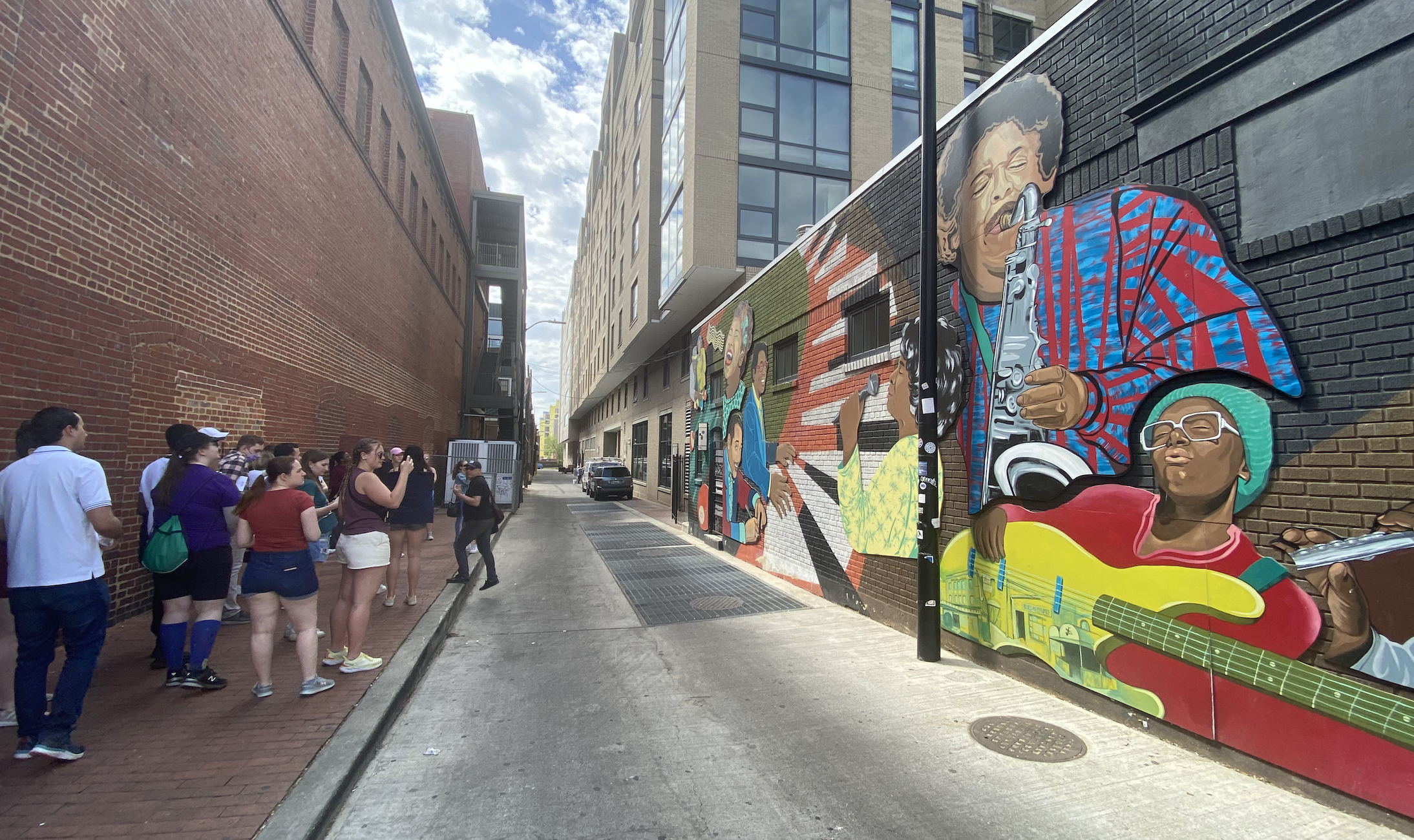
- SW DC / Wharf – a mix of old and new can be found here and while most people will head straight to the Wharf for restaurants or shows, there are some quaint and historic streets to wander here as well.
- Columbia Heights / Adams Morgan – two NW DC neighborhoods with a strong immigrant history, both of these neighborhoods have some great places to eat.
- Dupont Circle – some of my favorite house museums are here – The Brewmasters Castle and Mansion on O!
14. Tour the Pentagon
As the headquarters of the Department of Defense for the United States, you may not think the building is open to the public.
However, with advance planning and some background checks, you and your family can take a Pentagon Tour. You can request a tour of the Pentagon through your congressperson.
If you aren’t able to get a Pentagon Tour, you can visit the buildings exterior by visiting the Pentagon 9/11 Memorial which is located next to the building.
The Pentagon has its own Metro station so it is easy to get to but remember no photography is allowed even outside the building unless you’re at the 9/11 Memorial.
15. Cheer on the National Teams
There is no shortage of sports teams in DC for you to root for!
You might also find that Baltimore games are just as easy to get to thanks to the MARC trains between DC and Baltimore!
Basketball
- Washington Wizards (men)
- Washington Mystics (women)
Hockey
- Washington Capitals
Football
- Washington Commanders
- Baltimore Ravens
Baseball
- Washington Nationals
- Baltimore Orioles
Soccer
- DC United (men)
- Washington Spirit (women)
College Basketball
- Georgetown Hoyas
- George Washington Colonials
- Maryland Terrapins
16. George Washington’s Mount Vernon
While it is technically outside DC and located in Virginia, this is close enough and worth the trip. At the least it is a half day trip – many guests pair it with a tour of Old Town Alexandria and/or Arlington Cemetery as these are all also located on the Virginia side of the Potomac.
Mount Vernon is a private museum and thus you will need paid ticket to enter the grounds and a second timed ticket to enter the mansion itself (but don’t skip it, it’s worth it!)
On the grounds you can see the burial spot of George and Martha, wander the working farm and barns, learn more about the enslaved persons who worked the grounds.
There are two museums – one more museum like and one interactive kid friendly Education Center. As well as one of the best gift shops!
We offer private tours of Mount Vernon – on its own or paired with our Old Town Alexandria tour. So be sure to reach out to us [email protected] if you’d like to set up your own tour of this historic area.
17. Take in the Art and Music Scene
If you follow on Instagram (@dcbyfoottours) you know I love the DC arts scene!
Love Art? Check out one of the many art museums:
- National Gallery of Art & Sculpture Garden (free)
- National Portrait Gallery (free)
- Smithsonian Art Museums: Hirshhorn, Freer & Sackler Galleries, African Art (free)
- Kreeger Art Museum (paid)
- Phillips Art Collection (paid)
- Women in the Arts Museum (paid)
Want to check out some music?
Did you know the DC area is home to the only National Park for the Performing Arts? Wolftrap is just outside the city of Virginia and is a fantastic family-friendly venue.
Other venues to look into:
- The Anthem
- The Atlantis
- 9:30 Club
- Blackcat
- Creative Cauldron
- FedEx Field, Capitol One Arena and Nationals Park also host some of the larger acts that come into town.
Theatre lover? The overlap between the DC by Foot tour guide community and the theatre community is pretty big – we have set designers, front of house, actors, and musicians in our tour guide family.
There are over 90 theatres in Washington, DC to see Broadway tours, operas, ballet, and plays:
- Kennedy Center for the Performing Arts – home to the National Symphony Orchestra, National Opera, Washington Ballet and Broadway touring shows.
- National Theatre
- Ford’s Theatre (yes! You can see a show here!)
- Shakespeare Theatre Company
- Signature Theatre (technically in Virginia but worth the trip)
More Things to Do in DC…
There is so much to do in Washington DC that they cannot all fit into a top list.
A few more favorites to consider are:
- Bureau of Engraving and Printing: Timed tickets are requested and here you can see paper money being made (coins are made at the mint which we do not have in DC)
- Washington National Cathedral: You can visit here as a tourist, attend a special event, or attend a service. There is a fee to enter if you’re not worshipping. There is beautiful architecture, stained glass windows (one even has a piece of the moon!), and the resting place of Helen Keller.
- Tour the FBI Headquarters (this requires advance planning through your congressperson!)
- For garden and outdoor lovers, United States Botanical Gardens, National Arboretum or Kenilworth Aquatic Gardens: These sites are all free to visit and no tickets required!
Getting Around Washington DC
I know a lot of guests coming to Washington, D.C., are arriving by car, and personally, I don’t think driving in DC is that much of a pain—except for the traffic, lack of parking, no right on red, waiting for pedestrians, and how some of the lanes change direction depending on the time of day.
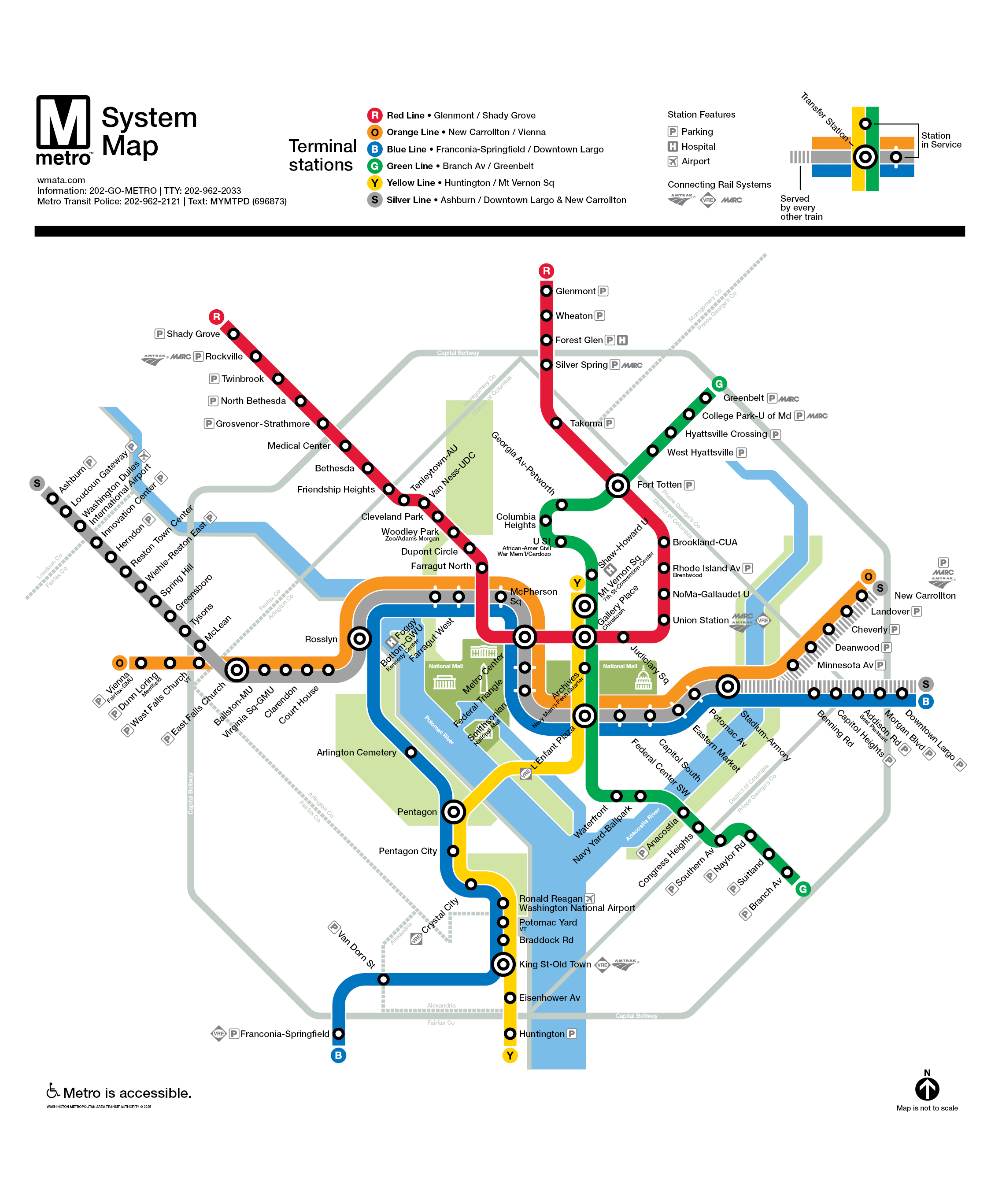
The best way to get around Washington, D.C., is public transportation.
In fact, riding the Metro could be an attraction on it’s own. This may not be a choice for everyone but if you come from a place without a subway type of public transportation (or you have a train loving child), it is an experience on it’s own.
The WMATA Metrorail system is not that complicated but if you’re nervous, the station managers at each stop are very helpful. Please don’t be afraid to ask for help.
Almost all of the sites we recommend are accessible by public transportation—really, only Udvar-Hazy Air and Space Annex and Mount Vernon are best visited by car.
(You can get to both without a car, though if you’re willing to take some time)
For times that you’re not traveling far or don’t want to deal with the Metro, we have a great Capital Bikeshare system, and there are scooters for short-term rental on every corner downtown.
How Many Days Do You Need in Washington DC?
Most first-time visitors underestimate how much there is to do in Washington DC. Three days is the minimum I recommend for a first visit, and even then you will leave with a list of things you want to come back for. Five days gives you a much more relaxed and complete experience.
One Day in DC
If you only have one day, spend it on the National Mall. Join our National Mall walking tour in the morning which includes tickets to the top of the Washington Monument. After the tour, walk the Tidal Basin to see the Jefferson Memorial, FDR Memorial, and MLK Memorial. End your evening on the steps of the Lincoln Memorial after dark when the crowds have thinned and the monument is at its most breathtaking.
Two Days in DC
Add Capitol Hill on your second day. Our Capitol Hill tour includes entrance to the Library of Congress and tickets to the US Capitol Building docent tour. In the afternoon, visit the National Archives to see the original Declaration of Independence, Constitution, and Bill of Rights. Finish the evening with a walk through a neighborhood. Georgetown is my personal recommendation for a first visit.
Three Days in DC
Day three is for Arlington National Cemetery and one of the Smithsonian Museums. Spend the morning at Arlington on our guided walking tour timed to witness the Changing of the Guard. In the afternoon choose one museum based on your interests. The American History Museum and the National Museum of African American History and Culture are my top two recommendations for visitors who have not been before.
Four or Five Days in DC
With more time you can explore the neighborhoods, take an evening ghost tour of Georgetown, visit Embassy Row, and make a day trip to Mount Vernon or Old Town Alexandria. This is also when you can slow down and actually spend real time in the Smithsonian Museums rather than rushing through them. DC rewards visitors who are willing to linger.
Best Time of Year to Visit Washington DC
Every season in Washington DC has something going for it and something working against it. Here is an honest breakdown from someone who leads tours here year round.
Spring (March through May)
Spring is the most popular time to visit DC and for good reason. The cherry blossoms are the headline event but the mild temperatures and longer days make the whole season wonderful for sightseeing. The downside is that spring is also the most crowded time of year, particularly around peak bloom. If you are visiting during cherry blossom season, book everything including tours, hotels, and restaurant reservations well in advance. April and May after the blossoms have faded are actually some of my favorite weeks to lead tours because the weather is still beautiful and the crowds have thinned significantly.
Summer (June through August)
Summer is peak tourist season in DC and the city is packed. The heat and humidity from June through August can be brutal. On the worst days, temperatures in the high 90s combined with high humidity make walking the National Mall genuinely uncomfortable in the middle of the day. My advice for summer visitors is to start early, take a break indoors during the midday heat, and then come back out in the evening when the city cools down and the monuments are lit up beautifully. Our Memorials and Moonlight evening tour is our most popular summer tour for exactly this reason. The upside of summer is that everything is open, events are happening constantly, and the city has an energy that is hard to match.
A random tip that is very important at this time of year is that while its sweltering outside, the museums are frigid so bring sweaters for museum days!
Fall (September through November)
Fall is my personal favorite time of year in DC. The summer crowds have gone home, the temperatures are comfortable, and the city takes on a beautiful quality that is hard to describe until you have experienced it. October is particularly special. The foliage around the monuments and in neighborhoods like Georgetown is stunning, and our ghost tours feel genuinely atmospheric in a way that is different from any other month. September and October are when I most often tell friends and family to visit if they want to see the city at its best without fighting the spring crowds.
Winter (December through February)
Winter is the least visited season but it has real advantages. Hotels are significantly cheaper, popular sites are less crowded, and the city takes on a completely different character. December is actually lovely thanks to the holiday decorations throughout the city. Our holiday lights bus tours run through December and are a wonderful way to see the city in the festive season. January and February can be cold and occasionally snowy but a snowy day in DC is one of the most beautiful things I have ever seen. The monuments dusted in snow and nearly empty of tourists is an experience most visitors never get. If you can handle the cold, winter is an underrated time to visit.
Where to Stay in Washington DC
Washington DC is a walkable city with a good Metro system, which means where you stay will significantly affect how much you walk and how easy your trip is. Here is a quick guide to the main neighborhoods for visitors.
Capitol Hill
Staying on Capitol Hill puts you within walking distance of the Capitol Building, the Library of Congress, the Supreme Court, the National Mall, and Eastern Market. It is a genuine residential neighborhood with great restaurants and bars on Barracks Row and Pennsylvania Avenue SE. This is where I would stay if my priority was spending as little time on the Metro as possible and as much time exploring on foot as possible.
Downtown and Penn Quarter
Downtown DC is the most central option and puts you close to the National Mall, the National Archives, Ford’s Theatre, and the major business and restaurant corridors. It tends to be on the pricier side for hotels but the convenience is hard to beat, especially for first-time visitors who want to be in the middle of everything.
Dupont Circle
Dupont Circle is one of my favorite DC neighborhoods to stay in as a visitor. It has excellent restaurants, independent bookshops, Embassy Row nearby, and a Metro station that connects you to the rest of the city easily. It feels like a real neighborhood rather than a hotel district, which I think makes for a more enjoyable trip. It is about a 20 to 25 minute walk from the National Mall or a short Metro ride.
Georgetown
Georgetown is charming and walkable with great shopping and restaurants, but it does not have its own Metro station. Getting to and from the National Mall requires either a 20 to 30 minute walk or a rideshare.